Seven Features That Make Pneumatic Quick-Connect Fittings Worth Specifying
Published:
Push-in (quick-connect) fittings have become the default way to route compressed air on machines and automation lines. The reasons are mechanical, not marketing:
1. Full-bore flow
The collet that grips the tube and the O-ring that seals it sit outside the tube’s bore, and the tube is not deformed when inserted. Nothing protrudes into the flow path, so there is no flow penalty across the joint.
2. Consistent dynamic sealing
An O-ring seated in the fitting bears on the tube’s outer wall with an optimized lip geometry, maintaining the seal under static pressure, vibration and tube movement.
3. Tool-free, instant connection
Push the tube in and it grips and seals; press the release ring to remove it. Straight-thread studs carry their own O-ring, and taper threads come pre-coated with PTFE thread sealant, so no tape or sealant application is needed on the bench.
4. Wide size and shape range
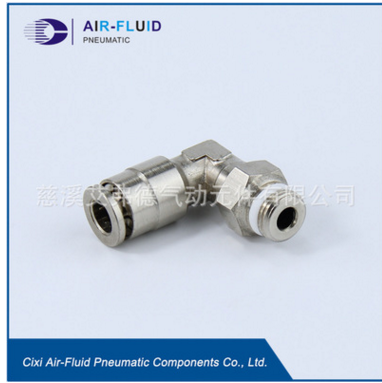
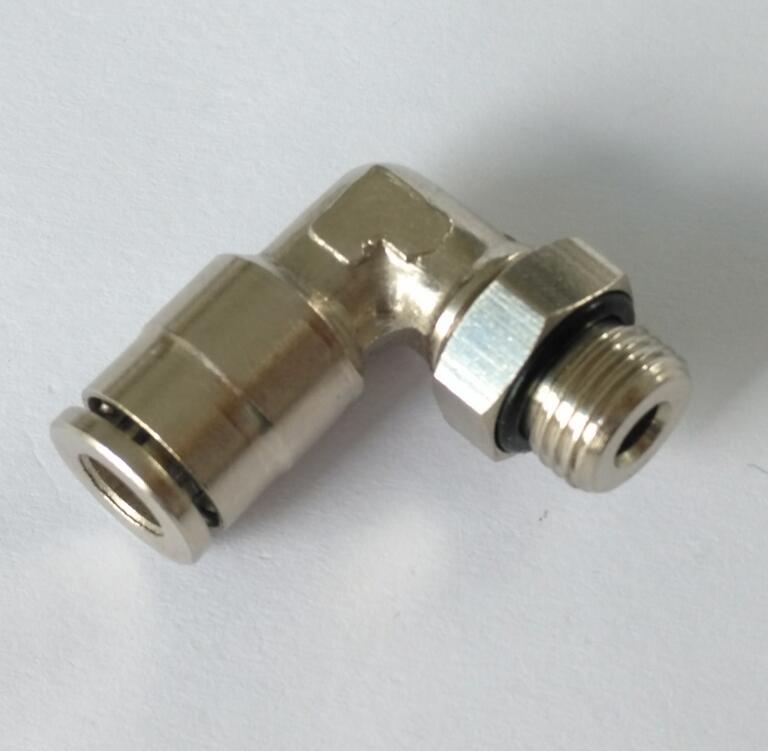
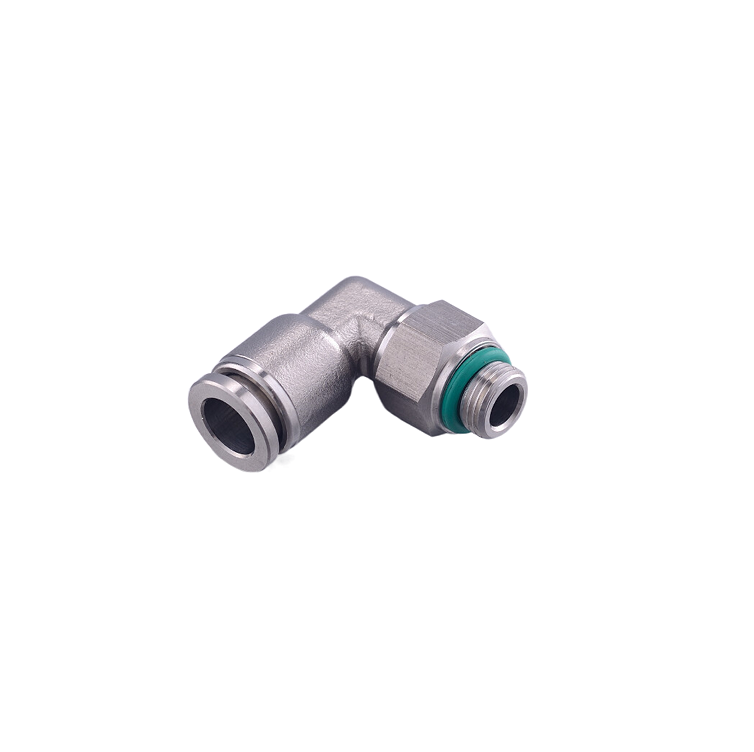
Tube ODs cover 3, 4, 6, 8, 10, 12, 14 and 16 mm (1/8–1/2 in), with M3/M5/M7 studs; bodies come as unions, elbows, tees, reducers and multi-way branches to turn, split or scale a line without adapters.
5. Three tube families
The same fitting series grips nylon (PA), polyurethane (PU) and PTFE tubing within published tolerances — one inventory for soft and semi-rigid lines.
6. Vacuum-capable designs
Two-side open, two-side closed and one-way shut-off variants cover vacuum pick-and-place as well as pressure lines.
7. Serviceable without draining the machine
Shut-off styles isolate a branch so a component can be swapped without depressurising the whole circuit.
Usage precautions
- Third-party tube must match the fitting’s OD tolerance — out-of-tolerance tube is the number one cause of slow leaks and hard disconnection.
- Cut the tube square, inspect for scratches on the outer wall, and always bottom the tube out in the fitting before relying on the seal.
- Depressurise the line before pulling a tube — the release ring is not a blow-down valve.
- Standard seals are rated for air and water; for other fluids confirm compatibility first, and never use them near open flame or sparking equipment.
AFD Pneumatic offers the full shape/size matrix in brass and stainless — browse the catalogue or ask for a cross-reference against your current fitting brand.