Which Fittings Survive Oil, Chemical and Other Harsh Environments?
Published:
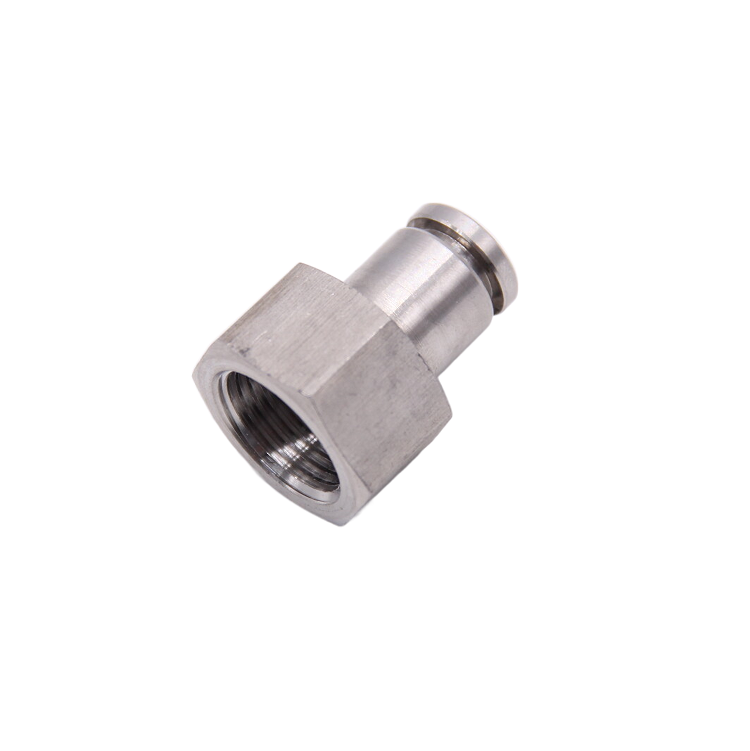
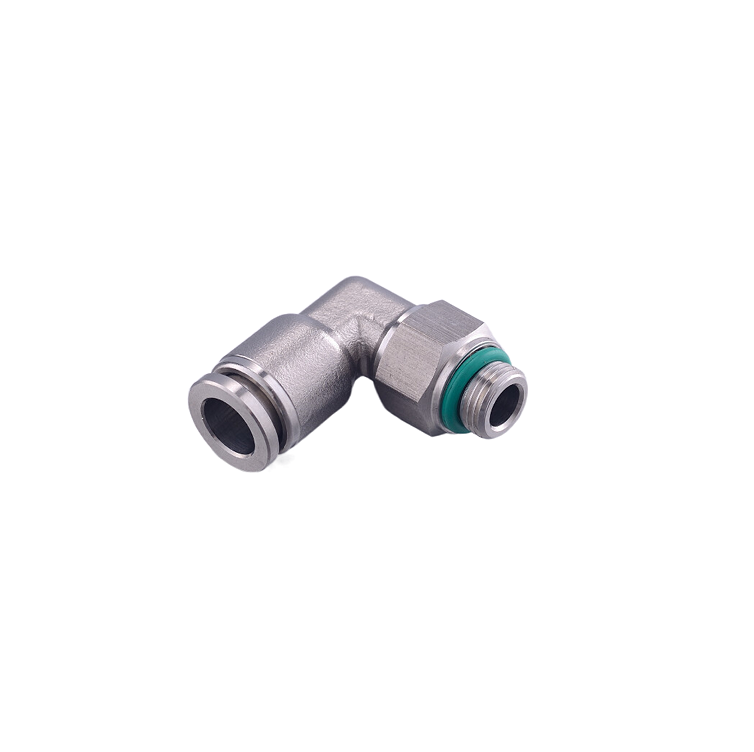
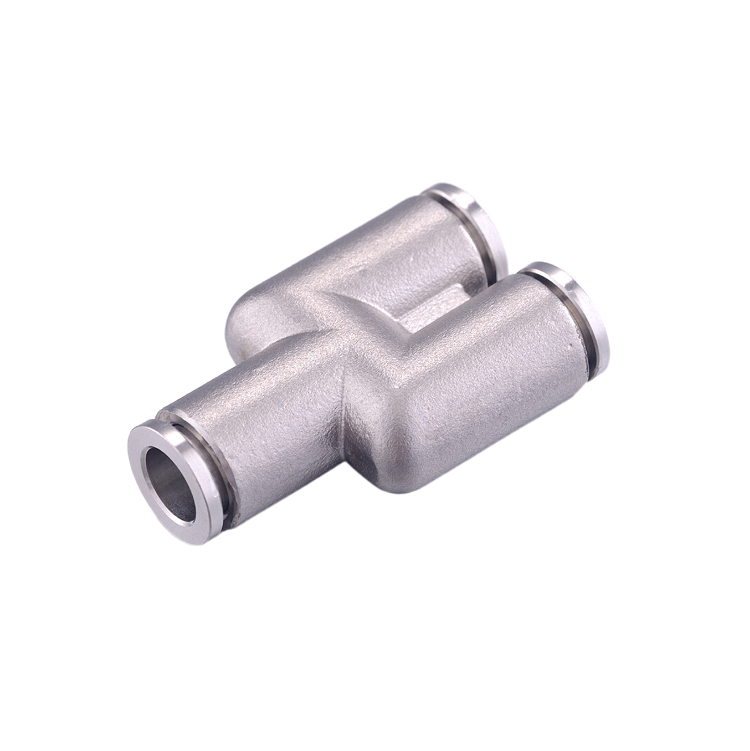
Petroleum, chemical and offshore service stack the deck against a fitting: heat, pressure and a corrosive medium at the same time. Body material is the first specification decision — and “stainless” is not a single answer.
Austenitic stainless steel (304 / 316)
The workhorse for corrosive service. Austenitic grades trade some hardness for excellent tensile strength, ductility and — decisive here — corrosion resistance across acids, alkalis and chlorides (316/316L for the worst of them). Electrical conductivity is lower than copper alloys, but in a fluid fitting that rarely matters; what matters is that the body does not corrode thin under a chemical stream.
Martensitic stainless steel
Where the fitting must be harder — high-clamp-force collets, wear surfaces — martensitic grades bring higher hardness after heat treatment, at some cost in elasticity and corrosion resistance versus austenitic grades. Commonly used for internal grab rings and wear parts rather than whole bodies in aggressive media.
Copper alloys: phosphor bronze and tin bronze
Phosphor bronze resists corrosion well and suits corrosive-media circuits; tin bronze adds ductility and strength for joints that see pressure shocks and impact. Copper alloys also conduct heat well — occasionally useful near heat sources. Their limits: they are softer than stainless, and some chemical combinations (ammonia, sulphides) attack them, so the medium sheet must be checked.
Decision matrix
| Condition | First choice | Also consider |
|---|---|---|
| Acids / chlorides / seawater | 316L stainless | Exotic alloys on consultation |
| General petroleum media | 304 stainless | Phosphor bronze |
| Pressure shock + impact | Tin bronze | Martensitic internals |
| High wear at the grip | Martensitic stainless collet | Hardened brass series |
Beyond material
Material is necessary but not sufficient: sealing performance (zero-leak requirement), service life, ease of maintenance, price-to-performance and the supplier’s support all belong in the decision. For petroleum and chemical installations, the safest route is to send the medium, concentration, temperature and pressure to the manufacturer and get the selection confirmed by an engineer — that is standard practice at AFD Pneumatic, and it costs nothing: send your spec.